
Download Submission
To access our Typical Details, submit the information below. You'll be taken straight to a page to download our materials.
Recent Articles and Publications
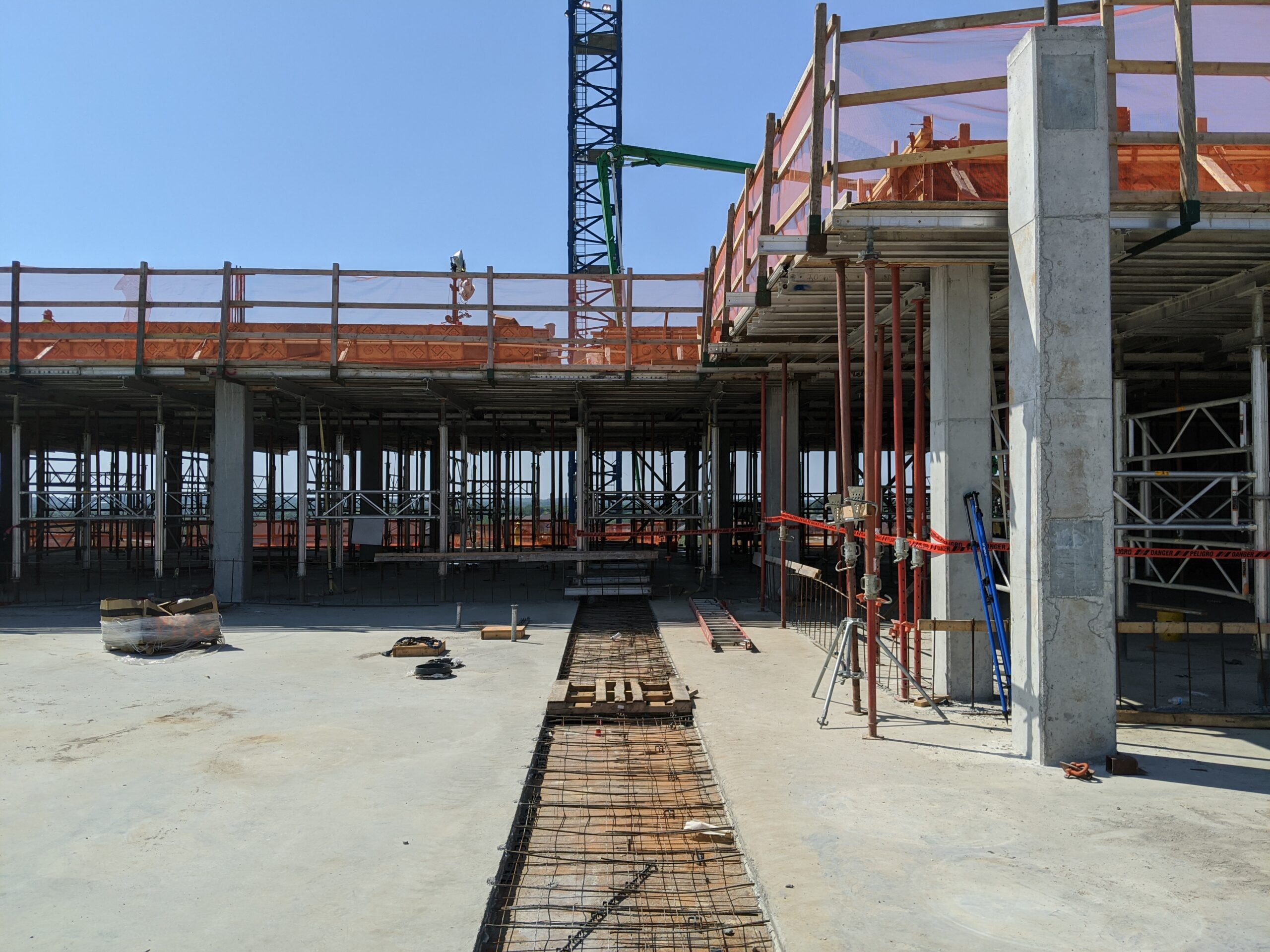
STRUCTURE MAG - Pour Strips Often Overlooked and Misunderstood
For over 40 years, the traditional pour strip in concrete construction has been an issue of contention between the EOR and the Contractor, and this... read more
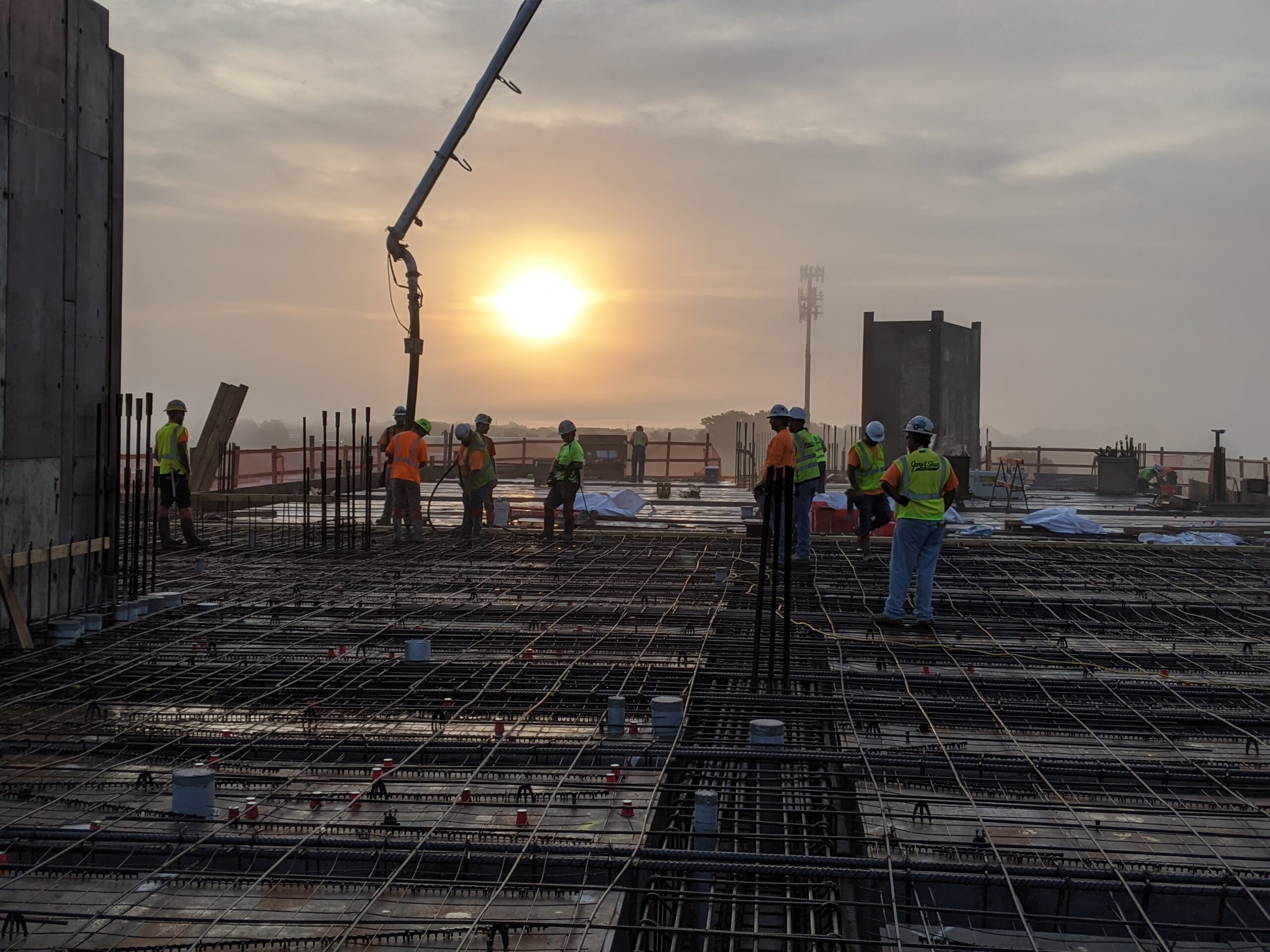
Concrete International - Designing for Construction Productivity and Safety
Thanks to many outstanding software tools available today, structural engineers can efficiently and effectively design economical reinforced concrete... read more
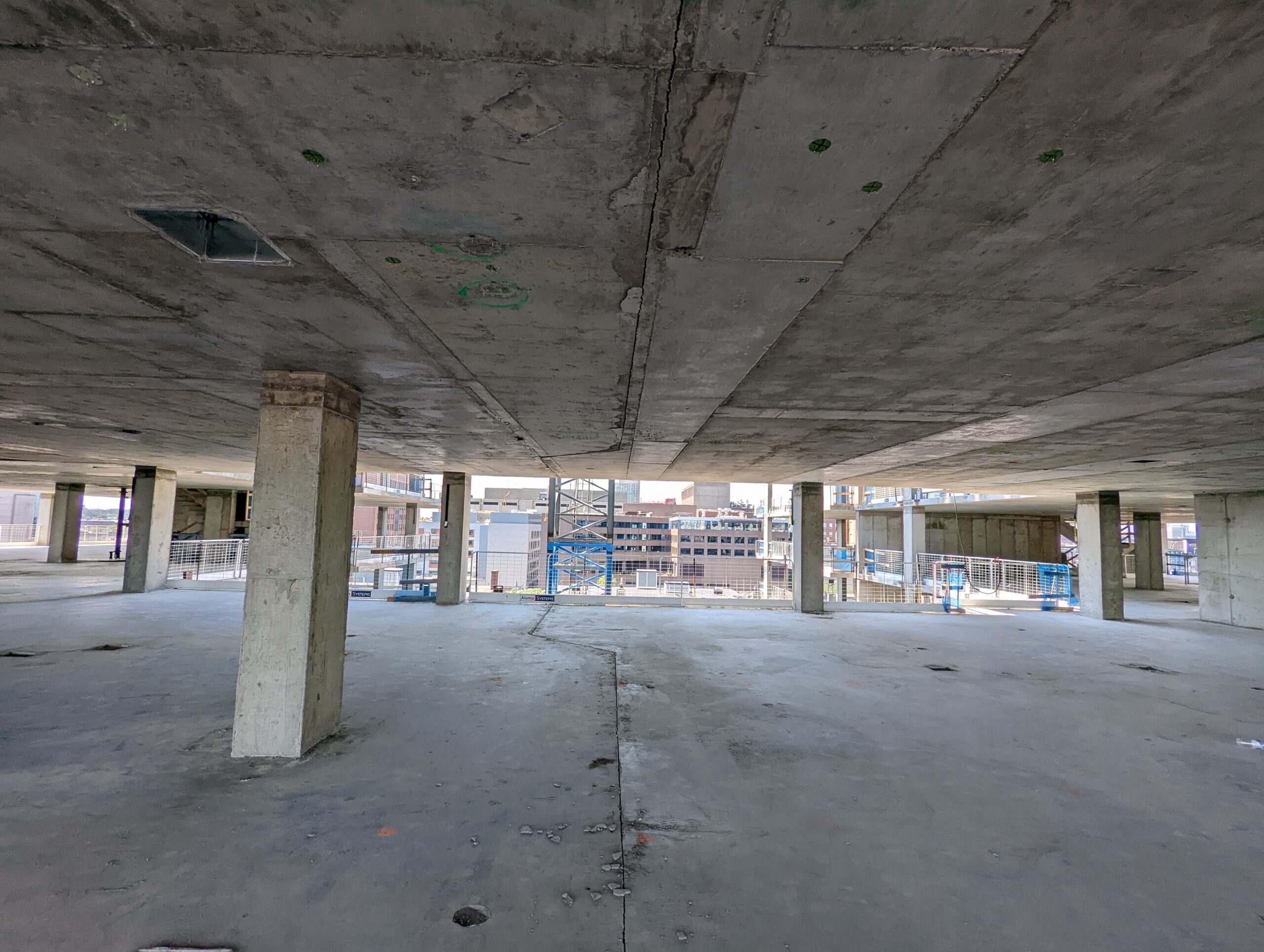
Concrete International - Designing for Construction Productivity and Safety
Since our first Concrete International article on gapless pour strips, engineers and contractors have become more creative with the PS=Ø... read more

AGC of Utah - The Construction of MWR Conference Hotel at Mayflower Resort
Along the highway between Heber and Park City sits the first new ski resort to be developed in the United States in over 40 years.

ENR West - $1.3B Gaylord Pacific Resort Rises Along San Diego's Bayfront
For more than 20 years, the Gaylord Pacific Hotel and Convention Center has been talked about in some fashion, in large part because of the incredible opportunity...read more
Guides & Manuals
Understanding Concrete Joints
Plain-language explainers on the leave-outs and joints PS=Ø is engineered to eliminate, from the pour strip in a post-tensioned deck to the broader family of movement joints.
Post-Tensioned Concrete Slabs
Why post-tensioned decks shorten more, and how the pour strip they rely on can come off the critical path.
Read More →The Closure Pour Explained
Closure pour, delay strip, pour stop, shrinkage strip: one leave-out, four names, and how to remove it.
Read More →The Pour Stop Explained
What a pour stop is, how it differs from a pour strip, and how PS=Ø removes the leave-out behind it.
Read More →Expansion Joints in Concrete
What expansion joints do, where they cost you, and how a continuous slab eliminates them.
Read More →Concrete Movement Joints
The full family of movement joints and where the pour-strip leave-out fits among them.
Read More →Reinforced Concrete Construction
Continuous reinforcement methods at the construction joint, and how a mechanical splice keeps the steel continuous without a pour strip.
Read More →FAQs
What Are Pour/Delay Strips?
A pour strip (or delay strip, closure strip, pour back) is a temporary gap—typically 3 to 6 feet wide—left in a concrete slab during construction to allow for shrinkage and minimize cracking.
Why Are Pour Strips Necessary?
Pour strips are used to mitigate the restraint-to-shortening that occurs as concrete cures. By leaving a pour strip, the surrounding slab can shrink without impact from restraint forces.
Why Are Pour Strips Left Open So Long?
Concrete shrinkage happens gradually – most shrinkage happens within the first year after the concrete is poured. Leaving the pour strip open longer allows the most shrinkage to occur and will deliver higher quality concrete.
Why Are Pour Strips So Problematic?
Because they increase costs, delay schedules, inhibit workflow, and create safety hazards.
What Are The Replacement Options For Pour Strips?
PS=Ø is the only system that is equivalent to a traditional pour strip. The PS=Ø system allows concrete to shrink naturally without cracking, while also eliminating the construction delays caused by traditional pour strips. Delivering a clean, continuous slab without obstructing the work of other trades.
How Do I Start Using PS=Ø On My Project?
Getting started is easy - Our team of experts are ready to help you implement our system into your project, providing guidance every step of the way. We'll ensure you understand all the benefits, including how it will streamline the entire construction workflow and shave months off your schedule. Contact us today!