
Delay Strips vs Shrinkage Strips: One Leave-Out, Many Names
Delay strip, shrinkage strip, pour strip, pour-back strip, and closure strip are five names for the same detail. Here is what each term means, where each shows up on drawings, and how one mechanical rebar splice removes it.
Delay strip, shrinkage strip, pour strip: it is one leave-out under five names.
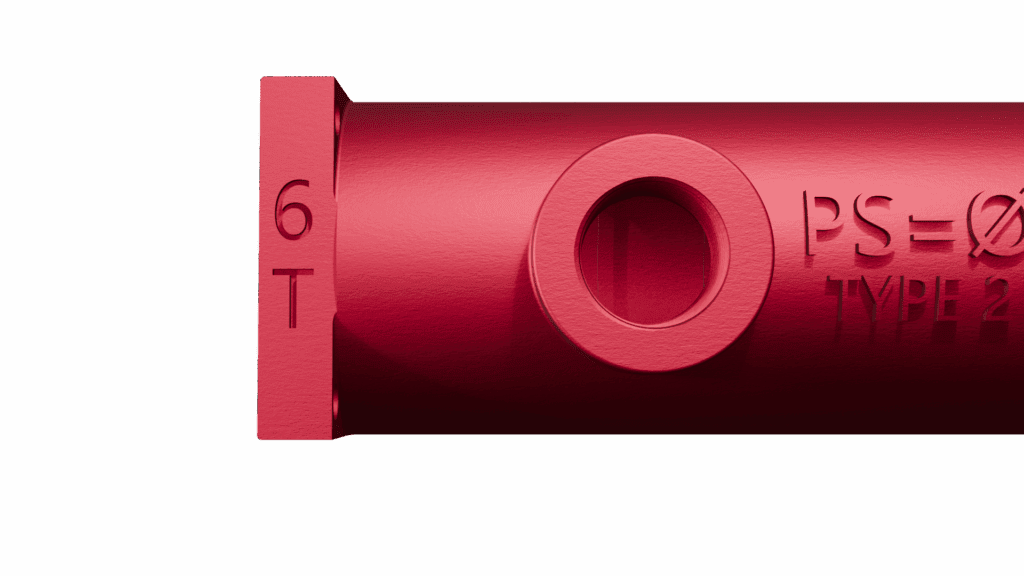
If you have read enough concrete drawings, you have seen the same detail called a delay strip on one set, a shrinkage strip on the next, and a pour strip, pour-back strip, or closure strip on the one after that. It is confusing because the industry never settled on a single word, and most glossaries define each term in isolation as if they were different things. They are not. This page is written by the engineers whose entire product is removing that leave-out, and we see all of these terms cross our desk on real project specs, so we can map the whole synonym soup to one concept: a strip of slab left open on purpose at a construction joint, so the concrete on either side can shorten before the reinforcement is tied continuous. Whichever name your set uses, that open gap sits on the critical path with exposed rebar for weeks. PS=Ø is the ICC Approved, ACI 318 Type 1 and Type 2 compliant mechanical rebar splice, engineered over 45 years, that keeps the movement while removing the open gap.
What a delay strip is in concrete
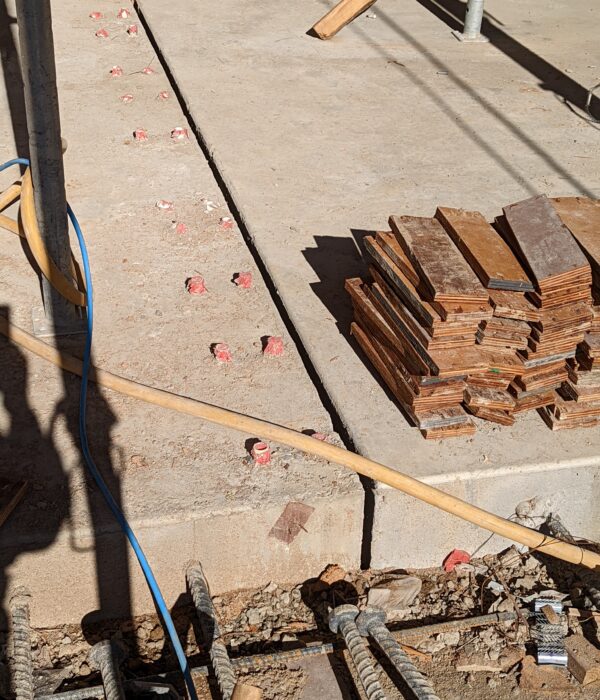
A delay strip is a strip of slab left out at a construction joint and cast later, once the adjacent concrete has done most of its drying shrinkage. The name tells you the purpose: the pour is delayed so each side can shorten first. Leave the gap open, let both sides shrink independently, then come back and tie them together. Until that return pour, the reinforcement sits exposed across the open strip. It is one member of the family of concrete movement joints, and the one tied specifically to sequencing placements rather than to sawn or formed lines in a finished slab.
That scheduled pause is the part a one-line glossary definition leaves out, and it is where a delay strip stops being a neutral detail and starts being a return trip. The crew pours, waits weeks, then comes back to a gap that has been collecting debris and blocking the trades working around it the whole time. If you are not sure whether your drawings even call it a delay strip, our page on the pour strip defined in plain language walks through the base detail before we layer the synonyms on top.
What a shrinkage strip is
A shrinkage strip is the exact same leave-out, named for the mechanism instead of the schedule. Concrete shrinks as it cures and dries. When a large slab is tied together rigidly, that shrinkage is restrained, and restraint-to-shortening pulls the slab apart and cracks it. A shrinkage strip relieves that by leaving a gap open so each side can shorten on its own before the connection is made. When an engineer writes shrinkage strip in the general notes, they are naming the physical reason the detail exists.
"Delay strip names the wait. Shrinkage strip names the reason for the wait. Pour strip names the strip itself. Same leave-out, three points of view."
So delay strip and shrinkage strip are not two details you have to tell apart. They are one detail described from two angles, and it is worth pinning that down early when you read an unfamiliar set, because a sheet that calls it a shrinkage strip and a submittal that calls it a delay strip are pointing at the same gap. For the movement-joint context around it, see how a movement joint relieves volume change in a reinforced slab. Not sure what your set calls it? Call (800) 355-8414 and our engineers will read the sheet with you.
Pour-back strip, closure strip, and the rest of the family
A pour-back strip (sometimes written pour back strip) is the same detail named from the concrete side: the strip of slab you pour back into once the wait is over. Add closure strip and closure pour, which name the fix rather than the wait, and you have the whole family. Here is how the terms line up, what each one emphasizes, and where each tends to show up on real project documents.
Delay strip
Also called: delayed pour strip
Named for the wait. The strip is left out and the pour is delayed so the slabs on either side can shorten first. The word delay tells you the whole point is time: the gap stays open until the adjacent concrete has done most of its drying shrinkage.
Where it shows up: Structural drawings and general notes, usually spec'd by the engineer of record.
Shrinkage strip
Also called: restraint-to-shortening strip
Named for the job. The strip exists to relieve restraint-to-shortening by letting each side shrink before it is tied to the next. When you see shrinkage strip on a sheet, the detailer is naming the mechanism, not the schedule.
Where it shows up: Structural notes where the engineer is calling out the physical reason for the leave-out.
Pour strip
Also called: pour-back strip, pour back strip
Named for the strip of slab itself. This is the default term and the one this company named itself after eliminating. A pour-back strip is the same detail described from the concrete's side: the strip you pour back into once the wait is over.
Where it shows up: The most common name across drawings, submittals, and jobsite talk.
Closure strip
Also called: closure pour, closure joint
Named for the fix. The closure strip is the concrete placed later to close the gap that was left open on purpose. Both the open leave-out and the pour that fills it get called the closure pour, which is why the term shows up on both design and field documents.
Where it shows up: Submittals and sequencing plans, often from the GC or concrete contractor.
The takeaway for a detailer is simple: it does not matter which of these words is on your drawings. If the design carries a leave-out at a construction joint to relieve restraint-to-shortening, that is the detail PS=Ø is engineered to replace. For the closure side of the same cluster, our page on closure pours and delay strips explained walks through the sequence on live decks from the fill-it-later angle.
Delay strip vs pour strip, term by term
People searching delay strip vs pour strip are usually trying to confirm one thing: are these two different details? They are not. The table below lays each term against what it emphasizes and who tends to use it, so you can read any set with confidence that they all resolve to the same gap.
| Term | What it emphasizes | Who tends to use it |
|---|---|---|
| Pour strip | The strip of slab left out. The default, most common name. | Everyone, across drawings, submittals, and the field |
| Delay strip | The scheduled wait before the pour is made | Engineers and schedulers in structural notes |
| Shrinkage strip | The reason: relieving drying shrinkage and restraint-to-shortening | Engineers naming the mechanism |
| Pour-back strip | The strip you pour back into after the wait | Concrete crews and field documents |
| Closure strip / closure pour | The fix: closing the gap that was left open | GCs and concrete contractors in sequencing plans |
Read the table top to bottom and the pattern is clear: every row is the same leave-out, named after a different part of the same story. The strip, the wait, the reason, the fill, the fix. That is why delay strip vs pour strip is not really a comparison. It is one detail with a naming problem, and the naming problem is exactly why it helps to have engineers who see all of these terms daily read your set with you.
How PS=Ø eliminates the leave-out, whatever it is called
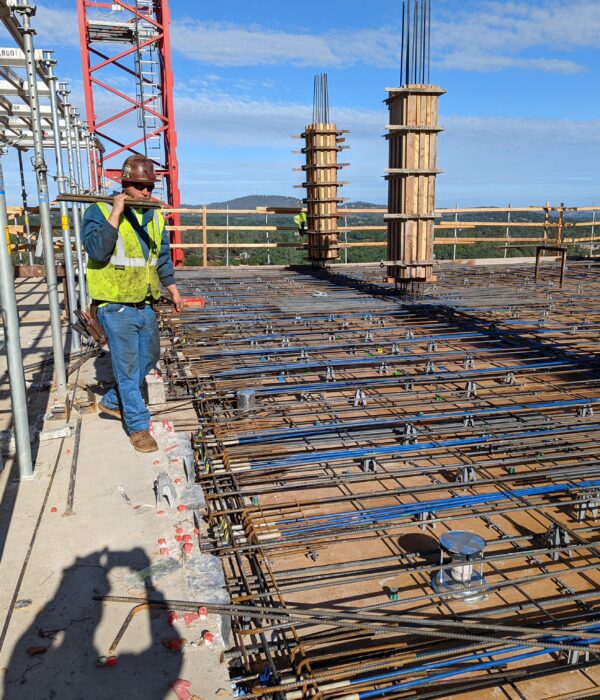
The reason the naming does not matter to us is that every one of these terms describes a detail that exists to let the slab shorten, not to interrupt the reinforcement. So the movement can be kept while the open gap is removed. PS=Ø replaces the open strip with a self-supporting mechanical splice. Here is the sequence at a high level.
- 1
Read the set and find the leave-out
Delay strip, shrinkage strip, pour-back strip, or closure strip, our engineers identify every leave-out in the structural design regardless of which name the drawings use.
- 2
Detail the splice into the design
The couplers and closure strip go in exactly where the leave-out would sit, so crews are not leaving an open gap and exposed rebar across the deck for the trades to work around.
- 3
Let the slab shorten naturally
The concrete goes through its natural volume change off the critical path. No 30 to 60 day open strip, whatever the drawings called it, holding the schedule.
- 4
Grout the couplers to close the seam
Once shrinkage is complete, the couplers are grouted to finish a continuous, ICC Approved, ACI 318 Type 1 and Type 2 compliant connection. The leave-out is gone.
The method has been used to eliminate these leave-outs on live commercial jobsites regardless of what each set called them. See more on the case studies page, then call (800) 355-8414 to talk through your structure.
Why the naming matters on a real project
When a structural drawing says shrinkage strip, a submittal says delay strip, and the concrete crew says pour-back strip, coordination suffers if anyone assumes they are three different details. Mapping the vocabulary to one leave-out keeps the design intent, the submittal, and the field on the same page. That alignment is exactly where a mechanical splice pays off, because there is one detail to resolve, not three.
Want the definition-first version before the synonyms? Start with our plain-language guide to what a pour strip is and how it differs from a pour stop and closure pour. For the closure side of the cluster, see closure pours and delay strips explained, and for where it sits among volume-change details, concrete movement joints.